What to do in Malta
The things actually worth your time in Malta — sorted by what kind of day you want, with honest notes on crowds, effort, and how to reach each one.
Photo: MaltaPathway — AI illustration
Malta packs a lot into a small space: a walkable capital, walled towns, prehistoric temples, fishing harbours, and some of the clearest water in the Mediterranean. The trick is matching the day to the kind of trip you want rather than trying to see everything.
Who this page is for
- First-time visitors building a short itinerary
- Travellers who want the genuinely worthwhile sights, not a list of everything
- Anyone choosing between a beach day, a culture day, or an island day
Match the day to your trip
| If you want… | Choose… | Why | Avoid if… |
|---|---|---|---|
| The classic Malta water day | Blue Lagoon (Comino) | Exceptional turquoise water; go early or late and it's unforgettable | You dislike crowds and can't arrive before mid-morning in summer |
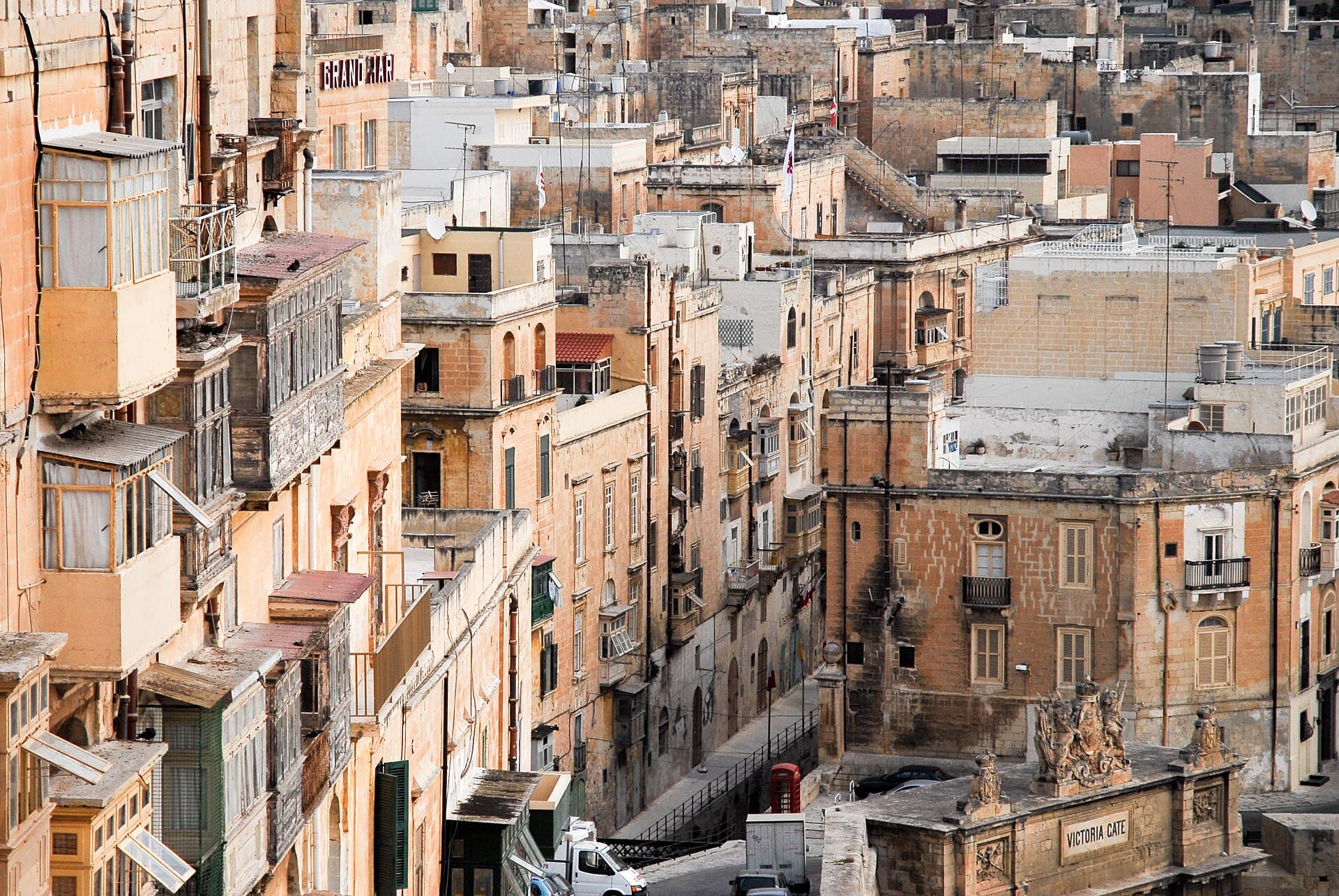
| History without driving far | Valletta | Compact, walkable capital with forts, co-cathedral, and harbour views | You want quiet — it's the busiest spot midday |
| Atmosphere and walled-town calm | Mdina & Rabat | The 'silent city' is best in the evening once day-trippers leave | You're chasing beaches — it's inland |
| A slower island day | Gozo | Citadel, countryside, and quieter beaches; a full day via the ferry | You only have a half day to spare |
| Local colour and food | Marsaxlokk | Working fishing harbour; Sunday market and seafront lunch | You want major monuments — it's about atmosphere |
The classic Malta water day
Blue Lagoon (Comino)
Exceptional turquoise water; go early or late and it's unforgettable
Avoid if… You dislike crowds and can't arrive before mid-morning in summer
History without driving far
Valletta
Compact, walkable capital with forts, co-cathedral, and harbour views
Avoid if… You want quiet — it's the busiest spot midday
Atmosphere and walled-town calm
Mdina & Rabat
The 'silent city' is best in the evening once day-trippers leave
Avoid if… You're chasing beaches — it's inland
A slower island day
Gozo
Citadel, countryside, and quieter beaches; a full day via the ferry
Avoid if… You only have a half day to spare
Local colour and food
Marsaxlokk
Working fishing harbour; Sunday market and seafront lunch
Avoid if… You want major monuments — it's about atmosphere
Pick one focus per day. The areas link to deeper guides below.
Compare options
Practical notes
Most of these are reachable by bus or ferry without a car. The Blue Lagoon and Gozo are ferry days; plan them around the timetable, not the other way round. Valletta, Mdina, and Marsaxlokk are all on direct bus routes from the main tourist areas.
In peak summer, the single biggest lever on your experience is timing. The Blue Lagoon, Valletta's main streets, and popular beaches are all far better early in the day or late afternoon. Build the heat and the crowds into the plan.
Common mistakes
- Trying to see Valletta, Mdina, and a beach in one rushed day instead of giving each its own slot.
- Visiting the Blue Lagoon at midday in July — arrive early or skip to a quieter cove.
- Treating Gozo as a half-day — the ferry plus travel eats the time; make it a full day.
- Doing Mdina at midday with the crowds rather than in the quieter evening.
- Underestimating the heat — midday sightseeing in summer is draining without shade and water.
Plan the next step
FAQ
- How many days do you need to see Malta?
- Three to four full days covers Valletta, Mdina, a beach or boat day, and a Gozo or Comino trip without rushing. A long weekend works if you focus on one or two areas.
- What is the number one thing to do in Malta?
- For most first-time visitors it's the Blue Lagoon on Comino for the water, and Valletta for history — but the Blue Lagoon is far better early or late to avoid peak-season crowds.
- Is Malta good for non-beach activities?
- Yes. Valletta, Mdina, the Three Cities, prehistoric temples, and Gozo's Citadel give Malta a strong history-and-walking side that works year-round, including in winter.
About this guide
Maintained by MaltaPathway
This guide is written from public sources and kept up to date where possible. MaltaPathway is an independent visitor guide and is not affiliated with any official body. Source policy, correction policy, and monetization disclosure live on the About and trust page.
Sources
Related guides
Was this page helpful?
MaltaPathway is an independent guide and is not operated by or affiliated with the Government of Malta, VisitMalta, or any other public authority. Details such as opening hours, prices, and schedules can change — always check official or current sources before relying on time-sensitive information.