

Culture
Malta Culture Guide
Malta's 7,000 years of inhabited history — from Bronze Age temple builders through Phoenician traders, Arab rulers, Norman kings, and the Knights of St John — are not abstract. They're woven into the streets you walk and the food you eat. This guide covers the highlights worth your time.
Why Malta punches above its size
Malta is one of the smallest countries in the world — 316 km², smaller than many cities. Yet it holds three UNESCO World Heritage Sites (Valletta, the Megalithic Temples, and the Ħal Saflieni Hypogeum), a language with no living close relative, and a continuous inhabited history stretching back to at least 5000 BC.
Every successive civilisation left layers: the Phoenicians built harbour settlements, Arab rule shaped the Maltese language, the Knights of St John built Valletta and the fortifications, and British colonial rule from 1800 to 1964 left another set of buildings, institutions, and habits. These layers coexist rather than replacing each other — a medieval walled city two miles from a country-house hotel in a British colonial villa next to a pre-Christian temple site.
Cultural highlights
Valletta
UNESCO World Heritage — European Capital of Culture 2018
Europe's smallest national capital and one of the most densely historic cities on the continent. The 16th-century fortified city was built by the Knights of St John and is entirely walkable. Key sites: St John's Co-Cathedral (Caravaggio's largest painting is here), the Grand Master's Palace, the Upper and Lower Barrakka Gardens, and the Grandmaster's Library.
Staying in VallettaMdina
The Silent City — fortified medieval capital
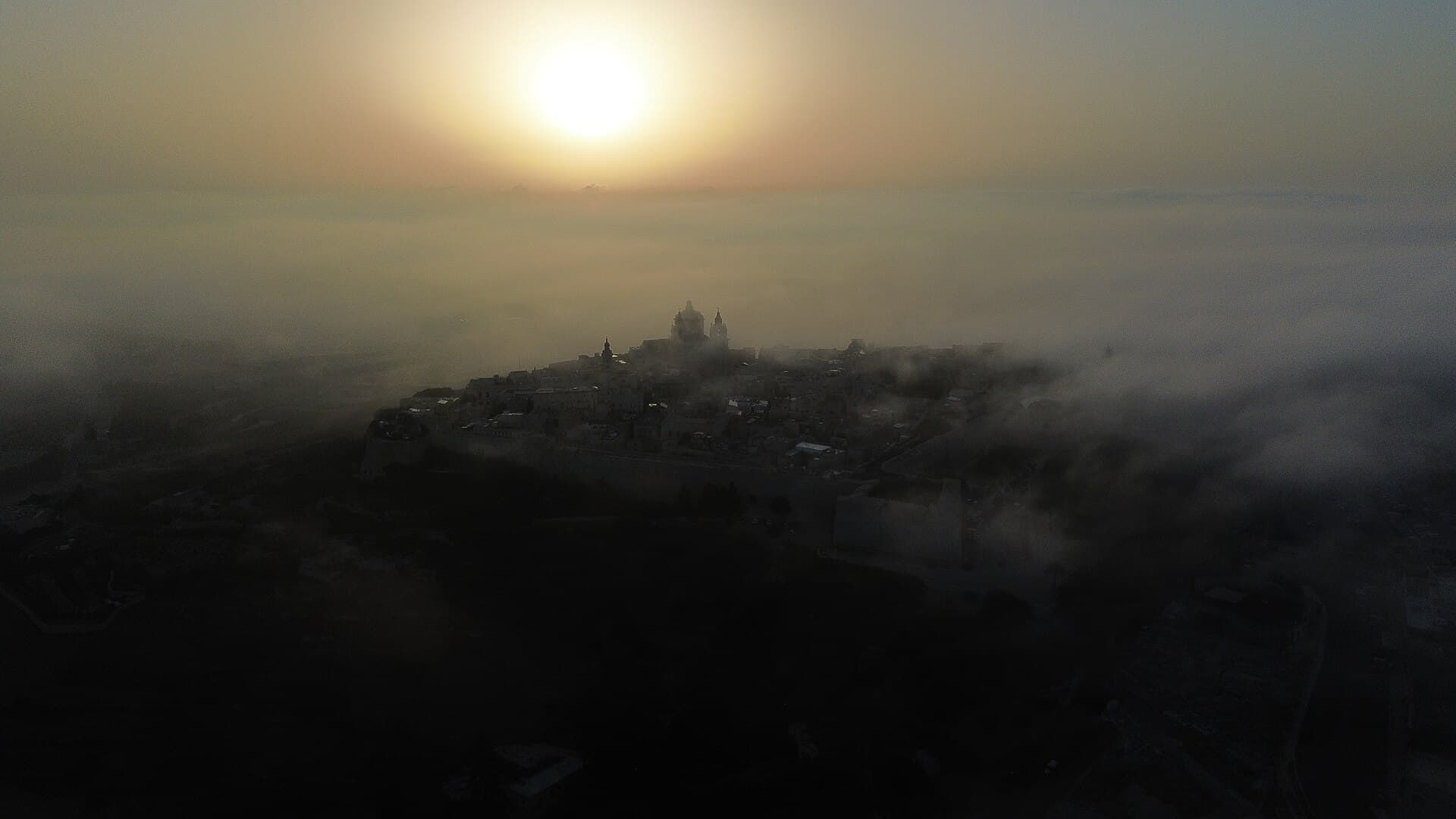
Malta's old capital is a walled hilltop city that bans most vehicles. Its population of around 300 people makes it one of the quietest inhabited medieval cities in Europe. Mdina has the feel of a film set without actually being one. Visit early morning or late afternoon; it's crowded midday in summer. The cathedral, the Palazzo Falson (museum of Maltese noble life), and the city walls with views to the sea are all worth the time.
All places in MaltaĦaġar Qim and Mnajdra Temples
UNESCO World Heritage — c. 3600–2500 BC
Two prehistoric temple complexes on Malta's southern cliffs, older than Stonehenge and the Egyptian pyramids. These were built by a civilisation that disappeared around 2500 BC and left no direct descendants. Protected now under tent structures. The site overlooks Filfla island and the open sea — worth arriving for the view alone. Allow 90 minutes. Audio guide recommended.
Explore placesĠgantija Temples, Gozo
UNESCO World Heritage — c. 3600–3000 BC
The oldest free-standing stone structures in the world. Located near Xagħra in central Gozo. The Ġgantija temples predate Ħaġar Qim and Mnajdra by a century or more. The site is smaller and less visited, making it easier to appreciate the scale of the walls without crowds. Pair this with the Gozo Citadel and a walk in the Ramla valley.
Gozo day trip guideThe Three Cities
Birgu, Senglea, Cospicua — the original Knights' settlement
The waterfront towns facing Valletta across the Grand Harbour were inhabited before Valletta was built. Birgu (Vittoriosa) is the most walkable — the Inquisitor's Palace (the only surviving Inquisitor's palace in the world open to the public), the Fort St Angelo fortifications, and the Maritime Museum are all here. Arrive by the Valletta ferry for the best approach.
All places in MaltaVillage Festas
May–October — active cultural calendar
Each of Malta's 68 parishes celebrates its patron saint with a week of processions, fireworks, and street food. Village festas are not tourist events — they're the most vivid window into Maltese community life available to visitors. They're free, accessible, and happening somewhere on the island most summer weekends.
Malta festas guide
The Maltese language
Maltese is the only Semitic language written in the Latin script and the only Semitic language with official EU language status. It developed from Siculo-Arabic (a dialect spoken in Sicily and Malta under Arab rule) with significant Italian, Sicilian, and English borrowings added over the centuries.
English is the second official language and is universally spoken. You will hear Maltese everywhere — in shops, on the bus, at the market — but every interaction with a visitor will naturally switch to English.
Museums and sites
Heritage Malta operates the major national museum sites including St John's Co-Cathedral, the Megalithic Temples, the Ħal Saflieni Hypogeum (visits very limited — book months ahead), Fort St Angelo, and the National Museum of Archaeology. A combined pass is available and usually worth it if you plan to visit three or more sites.
Heritage Malta — official site and booking