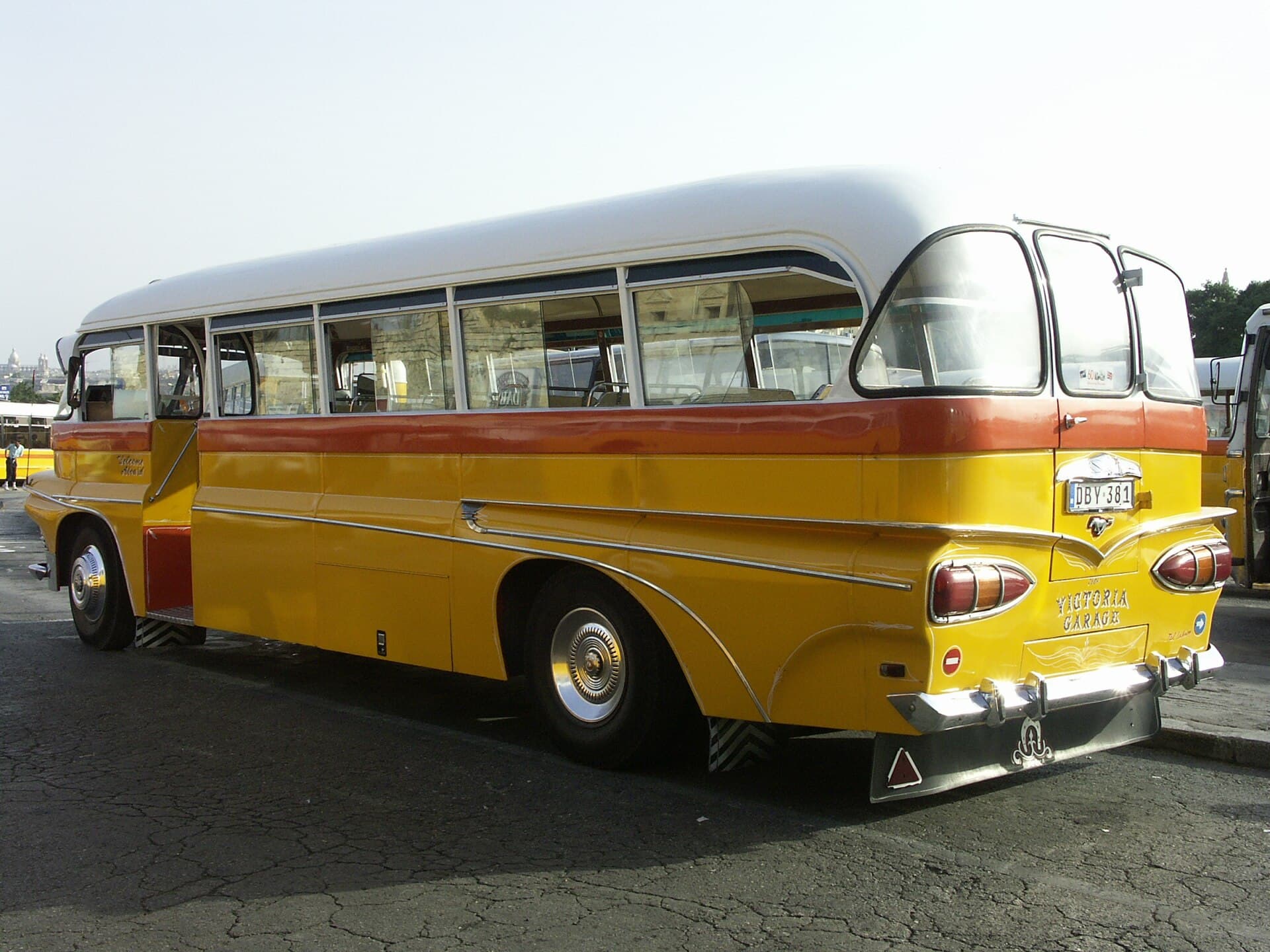
Malta without a car
Whether you actually need to rent a car in Malta, and exactly how to get around on buses, ferries, and on foot if you don't.
Photo: MaltaPathway — AI illustration
Malta is small and densely connected, so plenty of visitors skip the rental car entirely. Whether that works for you depends mostly on where you stay and how much rural ground you want to cover in a day.
Who this page is for
- First-time visitors deciding whether to rent a car at all
- Travellers who don't want to drive on the left or park in tight towns
- Anyone planning a beach, Gozo, or Blue Lagoon day without driving
Car or no car — the honest trade-off
| If you want… | Choose… | Why | Avoid if… |
|---|---|---|---|
| An easy first trip near the coast | No car | Sliema–St Julian's–Valletta is walkable and ferry-linked; buses cover the rest | You're staying somewhere rural or inland |
| Beach days at popular bays | No car (mostly) | Direct buses serve Golden Bay, Mellieħa, and Għadira; go early to beat crowds | You want quiet, hard-to-reach coves before the buses run |
| A packed day of rural and clifftop stops | Rent a car | Buses between rural points are slow and infrequent; a car saves hours | You're nervous about narrow roads and aggressive local driving |
| A Gozo or Comino day trip | No car | Ferries plus Gozo's own buses or a hop-on tour work well for a day | You plan to circle all of Gozo's villages in one short visit |
An easy first trip near the coast
No car
Sliema–St Julian's–Valletta is walkable and ferry-linked; buses cover the rest
Avoid if… You're staying somewhere rural or inland
Beach days at popular bays
No car (mostly)
Direct buses serve Golden Bay, Mellieħa, and Għadira; go early to beat crowds
Avoid if… You want quiet, hard-to-reach coves before the buses run
A packed day of rural and clifftop stops
Rent a car
Buses between rural points are slow and infrequent; a car saves hours
Avoid if… You're nervous about narrow roads and aggressive local driving
A Gozo or Comino day trip
No car
Ferries plus Gozo's own buses or a hop-on tour work well for a day
Avoid if… You plan to circle all of Gozo's villages in one short visit
General guidance for a typical visitor — your own schedule and comfort with driving matter most.
Plan faster
How to get around without a car
Buses (Tallinja)
The public bus network is the backbone of a car-free trip. It is cheap, covers the whole island, and runs frequently on the busiest corridors (Sliema–Valletta, St Julian's–Valletta, Valletta–Bugibba). Across the island it gets slower: cross-country routes can involve a change in Valletta, and buses fill up in summer. A rechargeable Tallinja cardworks out cheaper than single tickets if you ride often. Build in buffer time and don't plan tight connections.
Ferries
Short ferries are often faster and more pleasant than the bus. The Valletta–Sliema and Valletta–Three Cities crossings take minutes and skip the traffic. The Gozo ferry from Ċirkewwa runs frequently, and seasonal boats reach Comino's Blue Lagoon.
Walking
The core tourist strip — Sliema to St Julian's along the front, and the whole of Valletta — is best on foot. Distances are short and the seafront promenade is flat and continuous.
Ride-hailing and taxis
Apps like Bolt and eCabsare widely used, usually cheaper and clearer than hailing a white taxi, and fill the gaps when buses don't line up — early mornings, late nights, or awkward cross-island hops.
Common mistakes
- Assuming buses run to a tight schedule — they don't; leave a generous buffer, especially for the airport and ferry connections.
- Planning several far-apart rural stops in one car-free day. It's possible but slow; pick a single area instead.
- Skipping the Valletta–Sliema ferry and taking the long bus loop around Marsamxett Harbour instead.
- Buying single bus tickets for a whole trip rather than a Tallinja card when you'll ride more than a few times.
- Relying on hailing taxis on the street — use an app for a known price.
Plan the next step
FAQ
- Do you need a car in Malta?
- No — most visitors staying in the Sliema, St Julian's, Valletta or Bugibba areas can rely on buses, ferries, and walking. A car helps mainly for early starts, remote beaches, or trips packed with rural stops in a single day.
- Is public transport in Malta reliable?
- The Tallinja bus network covers the whole island and is inexpensive, but buses can be infrequent and crowded at peak times, and journeys across the island can be slow. Plan extra time and avoid tight connections.
- What is the best way to get from the airport without a car?
- Direct express buses connect the airport to the main tourist areas, and ride-hailing apps (Bolt, eCabs) or pre-booked transfers are widely used. See the airport transfer guide for the trade-offs.
About this guide
Maintained by MaltaPathway
This guide is written from public sources and kept up to date where possible. MaltaPathway is an independent visitor guide and is not affiliated with any official body. Source policy, correction policy, and monetization disclosure live on the About and trust page.
Sources
Related guides
Was this page helpful?
MaltaPathway is an independent guide and is not operated by or affiliated with the Government of Malta, VisitMalta, or any other public authority. Details such as opening hours, prices, and schedules can change — always check official or current sources before relying on time-sensitive information.