

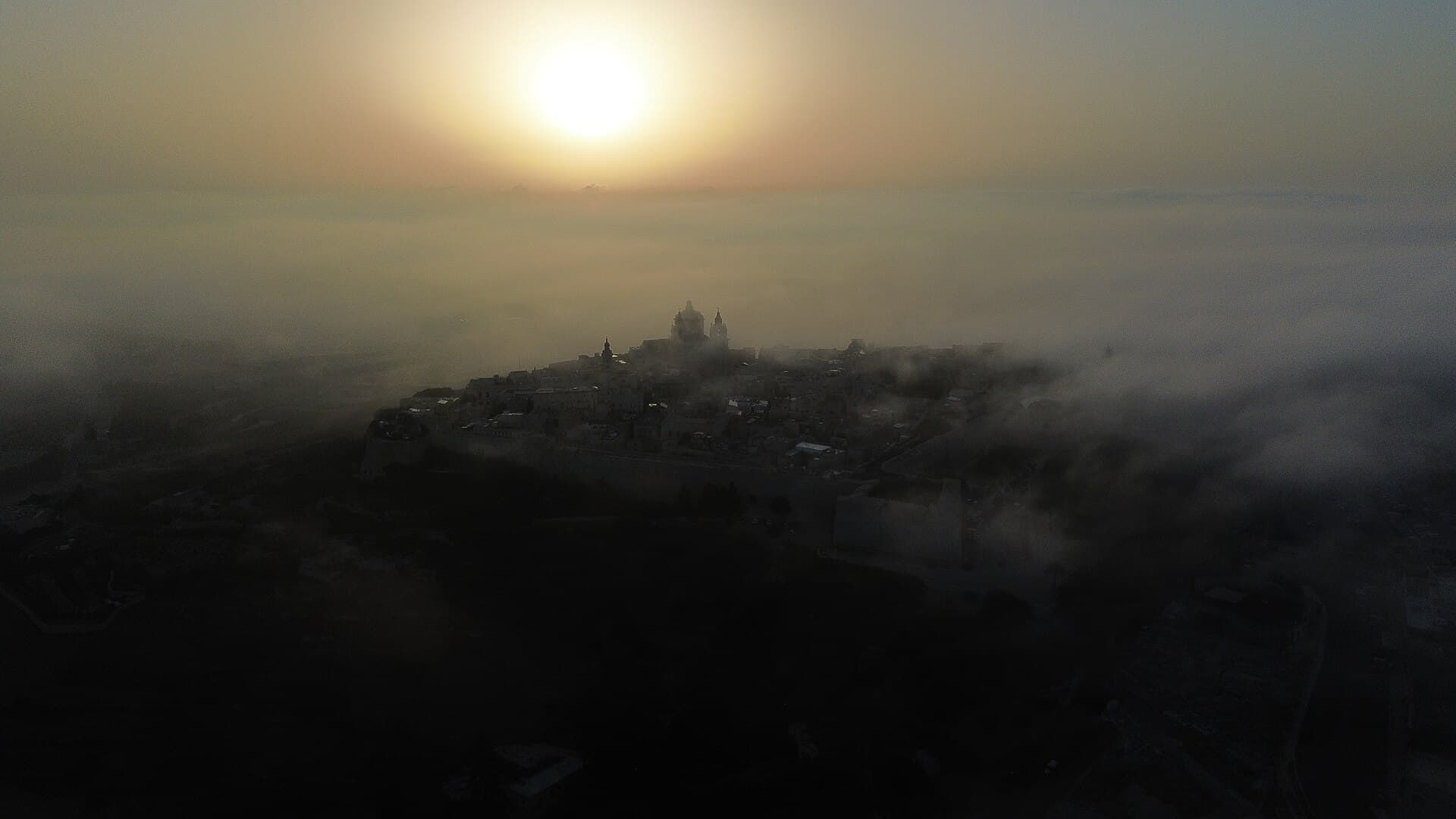
Mdina
Malta's old capital is a walled hilltop city with a permanent population of around 300 people — one of the smallest and best-preserved inhabited medieval cities in Europe. Its narrow, mostly vehicle-free streets and unobstructed views across the island make it unlike anywhere else in Malta.
SStrijbosch
Key facts
- Best for
- Medieval architecture and atmospherePanoramic views across MaltaCathedral of St Paul (Baroque)Palazzo Falson historic house museumQuiet exploration away from the coast
- Getting there
- Bus routes from Valletta and other parts of Malta stop at Rabat, the town immediately outside Mdina's walls. The walk from the Rabat bus terminus to Mdina's main gate is around 5–10 minutes.
- From Sliema or St Julian's, you typically need to change at Valletta or another interchange — check current Malta Public Transport timetables before travelling.
- Taxis and rideshare services run directly to Mdina's gates. There is a small car park outside the main gate.
- Mdina's interior is largely pedestrianised — private vehicles of residents and essential services only. Coaches and tourist vehicles drop off at the gate.
- Official site
- https://www.visitmalta.com/en/a/mdina/
Mdina served as Malta's capital for most of its history, from the Arab period through to the arrival of the Knights of St John, who established their new capital at Valletta in 1571. After that, Mdina gradually quietened — earning its name the Silent City — and today it has a permanent population of just a few hundred people. Most of its buildings are medieval or Baroque, many still serving as private residences for Maltese noble families. Vehicles are largely banned from the interior. The city sits on a ridge roughly in the centre of Malta with clear-day views that stretch from the southern cliffs to the northern coast. The Cathedral of St Paul dominates the main square and is one of the finest Baroque buildings in Malta. The Palazzo Falson, a Norman-era palazzo, operates as a museum of Maltese noble life. The city walls can be walked and provide elevated views across the surrounding agricultural land toward both coasts. Mdina is very compact — the interior is walkable in under 20 minutes end-to-end — but dense enough to reward a slower, two-hour visit. The attached town of Rabat, just outside the walls, has the Domus Romana museum (Roman townhouse mosaics) and the catacombs of St Paul and St Agatha.
“Mdina has the feel of a film set without being one — its silence is real, its population genuinely small, its streets genuinely medieval.”
What to see in Mdina
The Cathedral of St Paul
The Cathedral of St Paul dominates Mdina's central square and is one of the finest Baroque buildings in Malta. The current structure dates from the early 18th century, built after an earthquake destroyed the earlier Norman cathedral in 1693. The Cathedral Museum next door holds Albrecht Dürer woodcuts, Maltese silver, and a collection of ecclesiastical art. Entry to the cathedral is free; the museum charges a fee managed by Heritage Malta.
Palazzo Falson
A restored Norman-period palazzo with a permanent collection of Maltese furniture, paintings, silver, maps, armour, and everyday objects spanning several centuries. One of the few places in Malta where you can see the interiors of an older noble house as they would have been furnished and used. Entry by ticket; check the official Palazzo Falson website for current prices and hours.
The city walls
Mdina's walls can be walked from the outside, and parts of the interior walls — particularly near the Bastion Square viewpoint — give elevated views across the agricultural centre of Malta toward the eastern coast. On a clear day, both the southern cliffs and the northern coast are visible from different points.
Rabat — directly outside the walls
Rabat is the town that grew up around Mdina after the Knights moved the capital to Valletta. Two sites are worth the short walk from the main gate: the Domus Romana, a Roman townhouse with intact mosaic floors managed by Heritage Malta; and the Catacombs of St Paul and St Agatha, early Christian burial sites carved into the rock. The catacombs are significantly larger than those in Rome on a per-visit basis and are rarely crowded.
Best time to visit
Avoid midday in summer — crowds peak between 10am and 3pm. Early morning gives atmospheric light on the limestone; late afternoon is quieter.
Practical tips
How long to allow
The interior of Mdina can be covered in 45 minutes at a walk. A more comfortable visit — including the Cathedral, one museum, and time on the walls — takes around 1.5 to 2 hours. Adding the Domus Romana and the catacombs in Rabat extends that to a half-day easily.
Food and drink
Mdina has a handful of cafés and restaurants, and there is a cluster of more affordable options in Rabat just outside the gate. The Fontanella Tea Garden, on the city walls, is well known for views and is busy accordingly. Rabat has a broader choice at lower prices.
Accessibility
Mdina's interior streets are paved with stone setts — uneven underfoot and challenging for wheelchairs or pushchairs. The main approach from the gate is relatively flat, but some of the smaller streets and steps are steep. The Cathedral and Cathedral Museum have partial accessibility; check directly with the venues for current arrangements.
Photography
Mdina's walls, the Bastion Square viewpoint, and the streets around the Cathedral are the most photographed spots. The morning and late afternoon light on the pale limestone is particularly good. Note that Mdina is a living city — residents use and appreciate discretion around private homes.
About this guide
Maintained by MaltaPathway
This guide is written from public sources and kept up to date where possible. MaltaPathway is an independent visitor guide and is not affiliated with any official body. Source policy, correction policy, and monetization disclosure live on the About and trust page.
Sources
Related guides
Was this page helpful?
MaltaPathway is an independent guide and is not operated by or affiliated with the Government of Malta, VisitMalta, or any other public authority. Details such as opening hours, prices, and schedules can change — always check official or current sources before relying on time-sensitive information.