Study in Malta
Study in Malta: Complete Guide for International Students 2026
Malta is a small EU island with a 650-year-old university, a world-renowned English language school industry, and a fully English-speaking environment. For non-EU students, studying in Malta requires a student visa and specific financial proofs. This guide covers every step.
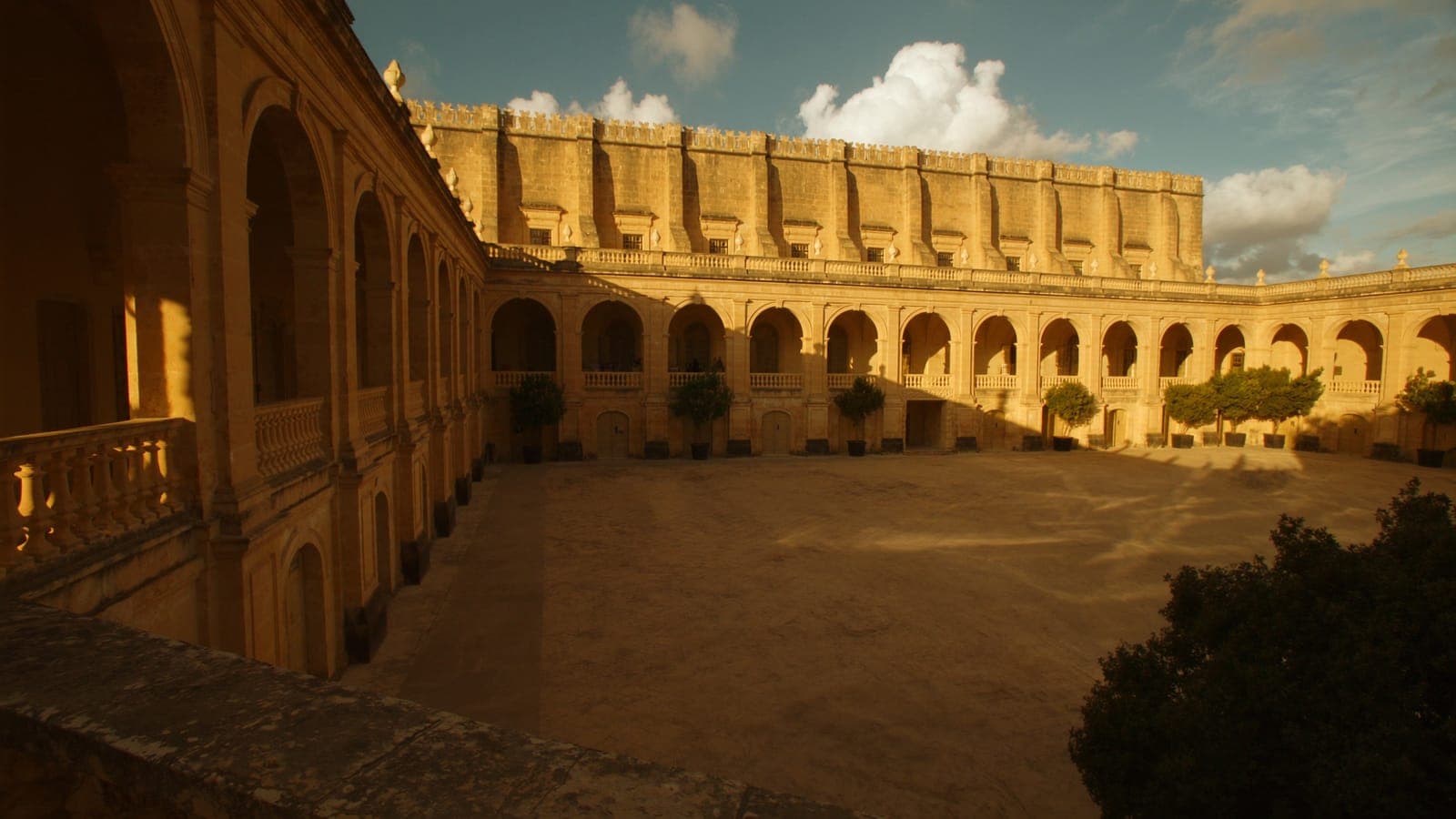
AI illustration · MaltaPathway
Key facts for international students
| Official languages | Maltese and English |
| University of Malta founded | 1592 (one of Europe's oldest universities) |
| EU student fees (University) | Same as Maltese students (free or subsidised) |
| Non-EU student fees (University) | Approximately €6,900–€14,000/year depending on programme |
| English school costs | Approximately €150–€350/week (intensive course) |
| Student visa required? | Non-EU nationals staying 90+ days: yes |
| Minimum financial proof (student visa) | €350/month or equivalent savings |
| Work rights (non-EU students) | Limited — conditions apply; see work guide |
| MFHEA accreditation | All legitimate courses must be MFHEA-registered or accredited |
Last verified: 2026-06-09. Source: Identità Malta / University of Malta.
Explore the full guide
Student Visa
Who needs it, requirements, application process, and duration.
Read guideUniversity of Malta
Courses, fees for international students, and application process.
Read guideEnglish Language Schools
Malta's IELTS/CEFR English schools — costs, FELTOM accreditation, and what to expect.
Read guideWork While Studying
Work rights on a student permit, hours limits, and permitted employment.
Read guideTuition & Living Costs
EU vs non-EU fees, student living budget, and financial requirements.
Read guideAfter Graduation
Switching from student status to a work permit and staying in Malta.
Read guideWhy students choose Malta
- English-medium education — the University of Malta and most private institutions teach entirely in English. No language barrier for international students.
- EU-recognised degrees — Malta is an EU member state; degrees are mutually recognised across the EU.
- Affordable English immersion — English language courses in Malta cost significantly less than equivalent courses in the UK, Ireland, or Canada.
- Mediterranean lifestyle — studying in Malta means beaches, 300+ sunny days, and an active student social life.
- Safe, compact island— Malta is consistently ranked as one of Europe's safest countries. Everything is close together.
- Schengen access — a Malta student residence permit provides access to the Schengen area for travel.
Types of study in Malta
International students in Malta typically fall into one of three categories:
- University degree students — enrolled in undergraduate or postgraduate programmes at the University of Malta or a private higher education institution. Typically stay for 1–4 years.
- English language students — attending intensive English courses at a FELTOM-accredited school. Typically stay for 2–52 weeks.
- Professional and vocational students — attending MFHEA-registered professional development or certification programmes.
The visa and permit requirements differ depending on the type and duration of study. See the student visa guide for specific requirements.
Get useful Malta updates
New Malta guides, practical visitor notes, and source-checked updates. No spam.
Unsubscribe anytime. We never share your email.
About this guide
Maintained by MaltaPathway
This guide is written from public sources and kept up to date where possible. MaltaPathway is an independent visitor guide and is not affiliated with any official body. Source policy, correction policy, and monetization disclosure live on the About and trust page.
Sources
Related guides
Was this page helpful?
MaltaPathway is an independent guide and is not operated by or affiliated with the Government of Malta, VisitMalta, or any other public authority. Details such as opening hours, prices, and schedules can change — always check official or current sources before relying on time-sensitive information.