Study in Malta
Working While Studying in Malta 2026: Student Work Rights & Limits
Many international students want to work part-time to help cover living costs. In Malta, the rules differ for EU/EEA students, non-EU university students, and non-EU English language students. This guide explains who can work, how many hours, and what permissions are needed.
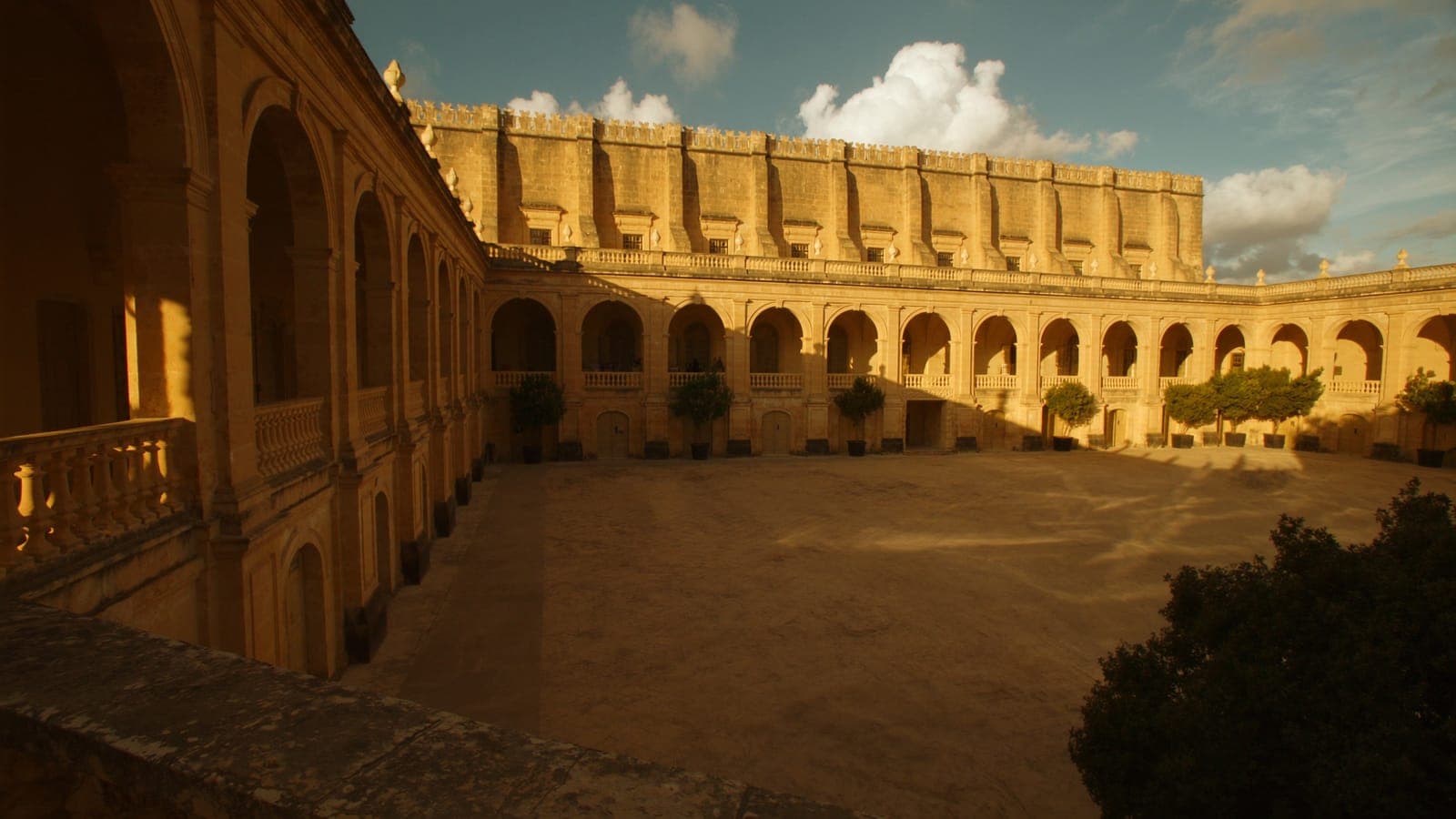
AI illustration · MaltaPathway
Permit conditions are individual — always check your card
Who can work, and under what conditions
| Student type | Work rights |
|---|---|
| EU / EEA / Swiss students | Same right to work as any EU citizen, no separate work permit needed |
| Non-EU university students (study permit) | May be permitted limited part-time work during term and fuller hours during official holidays, per permit conditions |
| Non-EU English language students (short course) | Generally no work rights — short-stay visas and study arrangements are not intended for employment |
| Non-EU students after graduation | Must transition to a work permit (e.g. Single Permit) sponsored by an employer — see after graduation guide |
Last verified: 2026-06-09. This is a general overview — your residence permit card states your specific conditions.
What employers need to know
Employers hiring a non-EU student for permitted part-time work generally need to:
- Confirm the student's residence permit allows work and note any conditions (hours, sectors, term-time vs holiday limits)
- Register the employment arrangement with Jobsplus where required, following the same non-EU employment notification process used for other Third-Country National workers
- Pay wages into the student's Maltese bank account, in line with general TCN employment rules
- Keep records of the student's permit and working hours in case of inspection by the Department for Industrial and Employment Relations (DIER)
Common part-time roles for students
Students who are eligible to work part-time often find roles in:
- Hospitality and tourism (restaurants, cafes, hotels) — seasonal demand is high in summer
- Retail in tourist areas (St Julian's, Sliema, Valletta)
- Tutoring or language exchange (for English language students with relevant skills)
- On-campus roles at universities (library assistance, research assistant positions for postgraduates)
For students aiming at hospitality roles, the Skills Pass may be relevant depending on the role and sector.
Balancing work and study
Even where part-time work is permitted, universities and language schools expect students to maintain attendance and academic progress. Failing a course, withdrawing, or falling below required attendance can affect the validity of your study permit independently of any work arrangement.
If your goal is to stay in Malta and work after your studies finish, plan ahead — see the after graduation guide for how to transition from a study permit to a work permit.
Get useful Malta updates
New Malta guides, practical visitor notes, and source-checked updates. No spam.
Unsubscribe anytime. We never share your email.
About this guide
Maintained by MaltaPathway
This guide is written from public sources and kept up to date where possible. MaltaPathway is an independent visitor guide and is not affiliated with any official body. Source policy, correction policy, and monetization disclosure live on the About and trust page.
Sources
Was this page helpful?
MaltaPathway is an independent guide and is not operated by or affiliated with the Government of Malta, VisitMalta, or any other public authority. Details such as opening hours, prices, and schedules can change — always check official or current sources before relying on time-sensitive information.