Study in Malta
Tuition & Living Costs for Students in Malta 2026
Studying in Malta means budgeting for tuition or course fees plus monthly living costs. This guide breaks down University of Malta fees for EU and non-EU students, English language course costs, and a realistic monthly budget for student life.
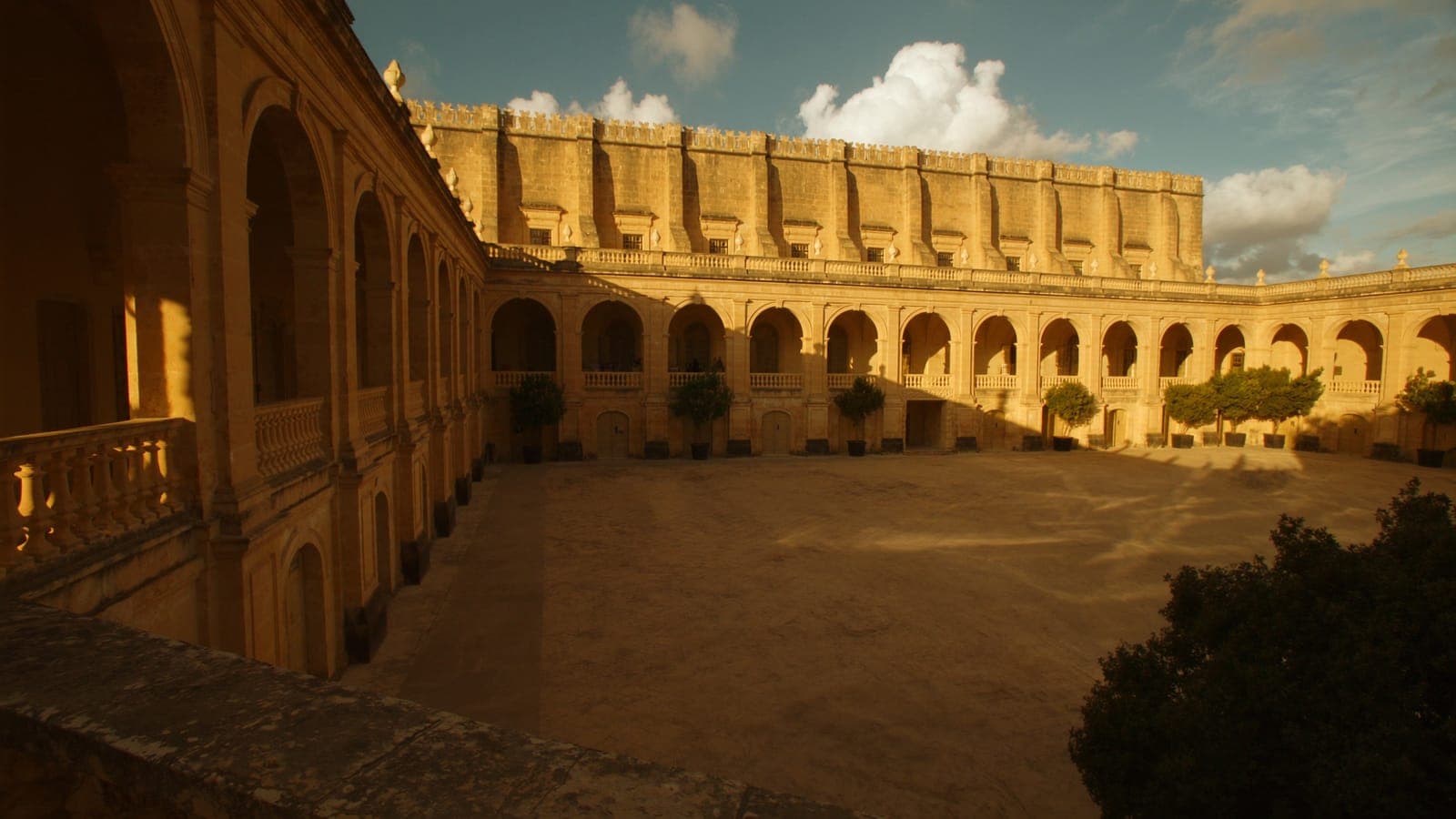
AI illustration · MaltaPathway
University of Malta fees
| Student category | Undergraduate | Postgraduate |
|---|---|---|
| EU / EEA / Swiss | Approximately €0–€400/year (subsidised, same as Maltese students) | Varies by programme — generally subsidised |
| Non-EU | Approximately €6,900–€9,500/year | Approximately €7,000–€14,000/year |
| Medicine & specialist programmes | Separate, higher fee structure | Separate, higher fee structure |
Last verified: 2026-06-09. Source: University of Malta International Office. Always confirm current fees directly before applying — see the University of Malta guide.
English language course costs
English language schools charge per week rather than per year. Typical ranges:
| General English (group course) | Approximately €150–€250/week |
| Intensive / exam preparation | Approximately €200–€350/week |
| Accommodation (school-arranged host family or residence) | Approximately €120–€250/week, often with breakfast or half-board |
| Registration fee (one-time) | Approximately €40–€80 |
See the English language schools guide for accreditation and course details.
Monthly student living budget
Beyond tuition or course fees, students need to budget for monthly living costs. The two scenarios below cover the most common student living arrangements in Malta.
| Expense | Shared flat / room | Solo studio/1-bed |
|---|---|---|
| Rent | €350–€550 | €800–€1,200 |
| Utilities (electricity, water, internet) | €40–€80 (shared) | €80–€150 |
| Groceries | €150–€220 | €180–€280 |
| Transport (Tallinja bus card) | €15–€26 (free for under-20s on local routes) | €15–€26 |
| Mobile/data plan | €10–€20 | €10–€20 |
| Eating out / social | €100–€200 | €150–€250 |
| Estimated monthly total | €700–€1,000 | €1,200–€1,600 |
Last verified: 2026-06-09. Figures are illustrative ranges based on general cost-of-living research — see the Malta cost of living guide for area-by-area detail.
Financial proof for the student visa
Confirm the current financial threshold with Identità Malta
In practice, most students budgeting realistically (per the table above) will need savings or sponsor funds well above the minimum official threshold to comfortably cover rent and living costs in Malta's more popular student areas (Msida, Gzira, Sliema, St Julian's).
Where students typically live
Most international students choose accommodation close to the University of Malta (Msida) or near English language schools (St Julian's, Sliema, Gzira, St Paul's Bay). Sharing a flat with other students is the most common way to manage costs. See the renting in Malta guide for how to find shared accommodation, deposits, and lease terms.
Get useful Malta updates
New Malta guides, practical visitor notes, and source-checked updates. No spam.
Unsubscribe anytime. We never share your email.
About this guide
Maintained by MaltaPathway
This guide is written from public sources and kept up to date where possible. MaltaPathway is an independent visitor guide and is not affiliated with any official body. Source policy, correction policy, and monetization disclosure live on the About and trust page.
Sources
Related guides
Was this page helpful?
MaltaPathway is an independent guide and is not operated by or affiliated with the Government of Malta, VisitMalta, or any other public authority. Details such as opening hours, prices, and schedules can change — always check official or current sources before relying on time-sensitive information.