Study in Malta
English Language Schools in Malta 2026: FELTOM Schools & Costs
Malta is one of the most popular destinations in Europe for English language study, combining year-round schools, accredited courses, and a Mediterranean lifestyle. This guide covers school types, accreditation, course costs, and how visa rules apply to language students.
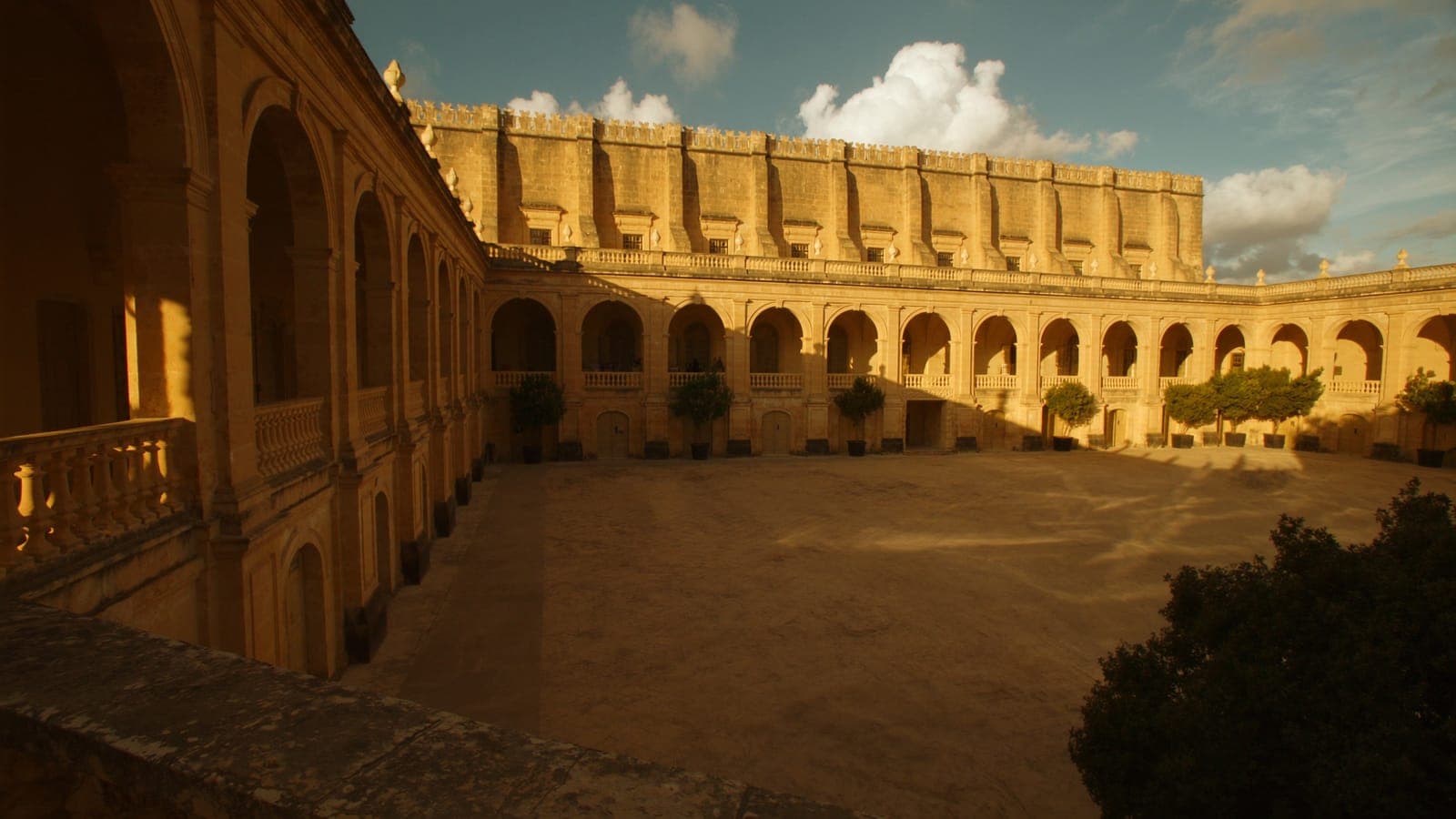
AI illustration · MaltaPathway
Key facts
| Accreditation bodies | FELTOM (industry federation), MFHEA (regulator) |
| General English course cost | Approximately €150–€250/week |
| Intensive / exam prep course cost | Approximately €200–€350/week |
| Typical course length | 1 week to 12 months (most students stay 2–12 weeks) |
| Common exam preparations | IELTS, Cambridge (FCE/CAE/CPE), TOEFL |
| Visa for courses under 90 days | Tourist entry or Schengen C-visa, depending on nationality |
| Visa for courses of 90+ days | Student visa + study permit from Identità Malta |
| School locations | Mostly St Julian's, Sliema, Gzira, St Paul's Bay, and Valletta area |
FELTOM Cost ranges illustrative. Verify current prices directly with individual schools. Last verified: 2026-06-09.
Why students choose Malta for English courses
- English is an official language — Malta is the smallest EU member state where English is a co-official language, making it convenient for visas, daily life, and immersion outside the classroom.
- Lower cost than the UK or Ireland — comparable courses in Malta are typically priced below equivalent programmes in London, Dublin, or Edinburgh, especially when accommodation is included.
- Year-round courses — schools run courses throughout the year, with peak demand in summer (June–September) when class sizes and prices both tend to be higher.
- Compact island — most language schools are within walking distance or a short bus ride of the sea, beaches, and social areas popular with international students.
Course types
| Course type | Lessons per week | Best for |
|---|---|---|
| General English | Approximately 15–20 lessons | Building everyday conversational fluency |
| Intensive English | Approximately 25–30 lessons | Faster progress in a short stay |
| Exam preparation (IELTS, Cambridge, TOEFL) | Approximately 20–28 lessons | Students applying to universities or for visas requiring proof of English |
| Business English | Approximately 15–25 lessons | Professionals and remote workers improving workplace English |
| One-to-one / private tuition | Custom | Highly targeted goals or executive schedules |
Checking accreditation before you enrol
Malta's English language teaching industry is represented by FELTOM (Federation of English Language Teaching Organisations Malta), an industry body that sets quality standards for member schools. Separately, MFHEA (Malta Further and Higher Education Authority) is the government regulator for further and higher education providers, including some language schools offering accredited qualifications.
- Confirm the school is a current FELTOM member — this generally indicates inspected facilities, qualified teachers, and adherence to a code of practice.
- For courses that lead to a recognised qualification or that will support a long-stay study permit application, confirm the institution and course are MFHEA-registered or accredited.
- Ask for the school's registration/accreditation reference and verify it directly with FELTOM or MFHEA before paying a deposit.
Verify before you pay
Visa and permit implications
The visa route for an English course in Malta depends on its length and your nationality:
- Short courses (under 90 days): nationalities that do not need a Schengen visa for short stays can attend on a regular tourist entry. Nationalities that need a Schengen visa for short stays apply for a Schengen C-visa covering the course dates.
- Long courses (90 days or more): non-EU nationals need a student (D-type) visa and a study permit issued by Identità Malta. The course must be with an MFHEA-registered or recognised institution. See the student visa guide for the full process.
- EU/EEA/Swiss nationals do not need a visa for any course length and register residence with Identità Malta only if staying beyond 3 months.
Budgeting for an English course
Course fees are only part of the cost. Most schools quote accommodation, airport transfers, registration, and study materials separately. For a full breakdown of typical living costs in Malta — including shared accommodation, food, and transport — see the tuition and living costs guide.
Get useful Malta updates
New Malta guides, practical visitor notes, and source-checked updates. No spam.
Unsubscribe anytime. We never share your email.
About this guide
Maintained by MaltaPathway
This guide is written from public sources and kept up to date where possible. MaltaPathway is an independent visitor guide and is not affiliated with any official body. Source policy, correction policy, and monetization disclosure live on the About and trust page.
Sources
Was this page helpful?
MaltaPathway is an independent guide and is not operated by or affiliated with the Government of Malta, VisitMalta, or any other public authority. Details such as opening hours, prices, and schedules can change — always check official or current sources before relying on time-sensitive information.