Study in Malta
Malta School System 2026: A Deep-Dive for Expat Families
Malta's education system has three tracks: free state schools, subsidised church schools, and fee-paying international schools. This guide goes deeper than the basics — covering age groups, the school calendar, enrolment steps, curriculum differences, and language support for children who do not yet speak Maltese.
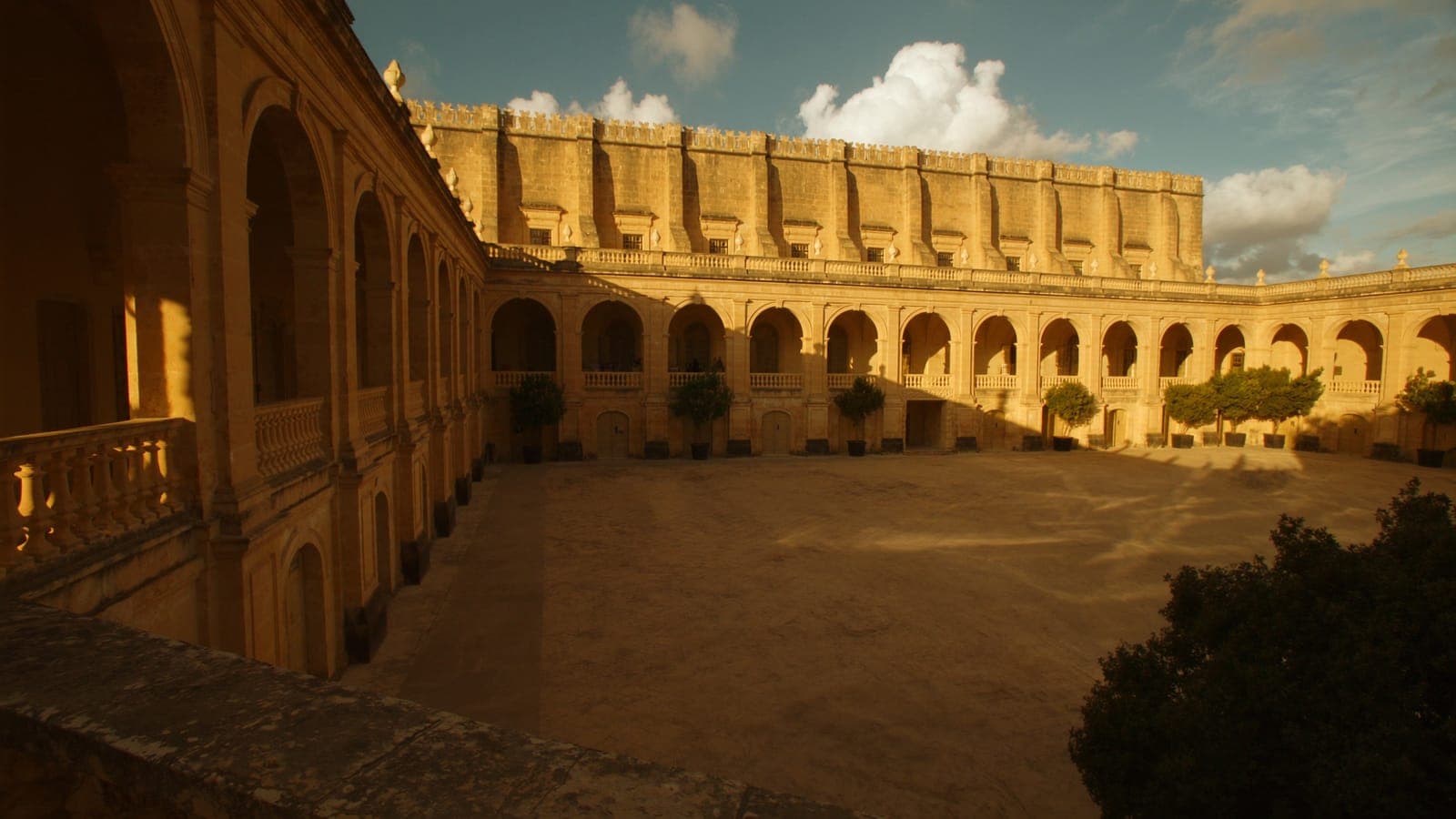
AI illustration · MaltaPathway
School levels and ages
| Level | Ages | Notes |
|---|---|---|
| Kindergarten | 3–4 | Not compulsory but widely attended |
| Primary (Years 1–6) | 5–10 | Compulsory; Maltese and English from the start |
| Middle School (Years 7–9) | 11–13 | Compulsory; broader subject range introduced |
| Secondary (Years 10–11) | 14–16 | Compulsory; leads to SEC/O-Level examinations |
| Post-secondary (Sixth Form, MCAST, vocational) | 16–18 | Optional; leads to A-Levels, vocational diplomas, or direct entry to MCAST/university |
Ministry for Education, Malta Last verified: 2026-06-09.
State schools: enrolment and what to expect
State schools are free for children of legal residents, regardless of nationality. To enrol:
- Confirm your residence address in Malta — state school assignment is generally based on catchment area (locality).
- Contact the Directorate for Educational Services (DES) at the Ministry for Education to register your child and confirm the school your address is assigned to.
- Provide your child's previous school records, passport, and proof of residence/permit.
- For children arriving mid-year or without prior Maltese/English schooling, ask DES about available language support (often called induction or transition support) for newly arrived students.
Teaching is bilingual: Maltese and English are both used, with the balance shifting by subject and school. Mathematics and science are commonly taught in English; Maltese, religion (Catholic, with alternatives available), and social studies are commonly taught in Maltese.
Church schools: a middle option
Church schools (mostly Catholic, run by religious orders or the Archdiocese) follow the national curriculum but often have a stronger academic reputation, smaller class sizes, and a religious ethos. Annual fees are modest (approximately €500–€2,000) compared to international schools, because the state subsidises most of the cost.
- Applications typically open well before the school year and are processed via a lottery or priority system in cases of oversubscription (priority is often given to siblings of current students and families with a connection to the parish).
- Apply directly to the school — there is no centralised application system across all church schools.
- Popular church schools can be highly competitive, especially for Kindergarten and Year 1 entry. Apply as early as the school allows.
International schools: curricula and areas
Malta has a small number of fee-paying international schools offering education entirely in English (or, in rare cases, another language), following internationally recognised curricula:
| Curriculum | Typical exit qualification |
|---|---|
| British curriculum | IGCSE / GCSE, then A-Levels |
| International Baccalaureate (IB) | IB Diploma Programme |
| American curriculum | US high school diploma, sometimes with AP courses |
International schools are concentrated in areas popular with expat families, particularly around the central and northern parts of the island. Fees range from approximately €8,000 to over €25,000 per child per year depending on the school and age group — see the family of 4 budget for how this affects an overall household budget.
Apply early — places fill up
Special educational needs (SEN) support
State schools in Malta provide access to Learning Support Educators (LSEs) for children with additional learning needs, coordinated through the Directorate for Educational Services. If your child has an existing SEN diagnosis or support plan, bring all documentation from your home country and raise this with DES (for state schools) or directly with the school (for church or international schools) as early as possible in the enrolment process, as support availability and waiting times vary.
Higher education after secondary school
After secondary school (SEC/O-Level results), students typically progress to Sixth Form (for A-Levels), MCAST (vocational and applied higher education), or directly to the University of Malta for students who meet entry requirements. For international students coming to Malta specifically for higher education rather than K-12 schooling, see the main Study in Malta guide and the University of Malta guide.
Get useful Malta updates
New Malta guides, practical visitor notes, and source-checked updates. No spam.
Unsubscribe anytime. We never share your email.
About this guide
Maintained by MaltaPathway
This guide is written from public sources and kept up to date where possible. MaltaPathway is an independent visitor guide and is not affiliated with any official body. Source policy, correction policy, and monetization disclosure live on the About and trust page.
Sources
Was this page helpful?
MaltaPathway is an independent guide and is not operated by or affiliated with the Government of Malta, VisitMalta, or any other public authority. Details such as opening hours, prices, and schedules can change — always check official or current sources before relying on time-sensitive information.