Arabic Community Malta
Arabic Community in Malta: Guide for Arab Workers and Families 2026
Malta has one of the closest geographic and historical relationships with the Arab world of any EU country. The Maltese language has deep Semitic roots, and communities from Morocco, Libya, Egypt, and other Arab countries have long been present on the island. This guide covers the practical aspects of life in Malta for Arabic-speaking workers and families.
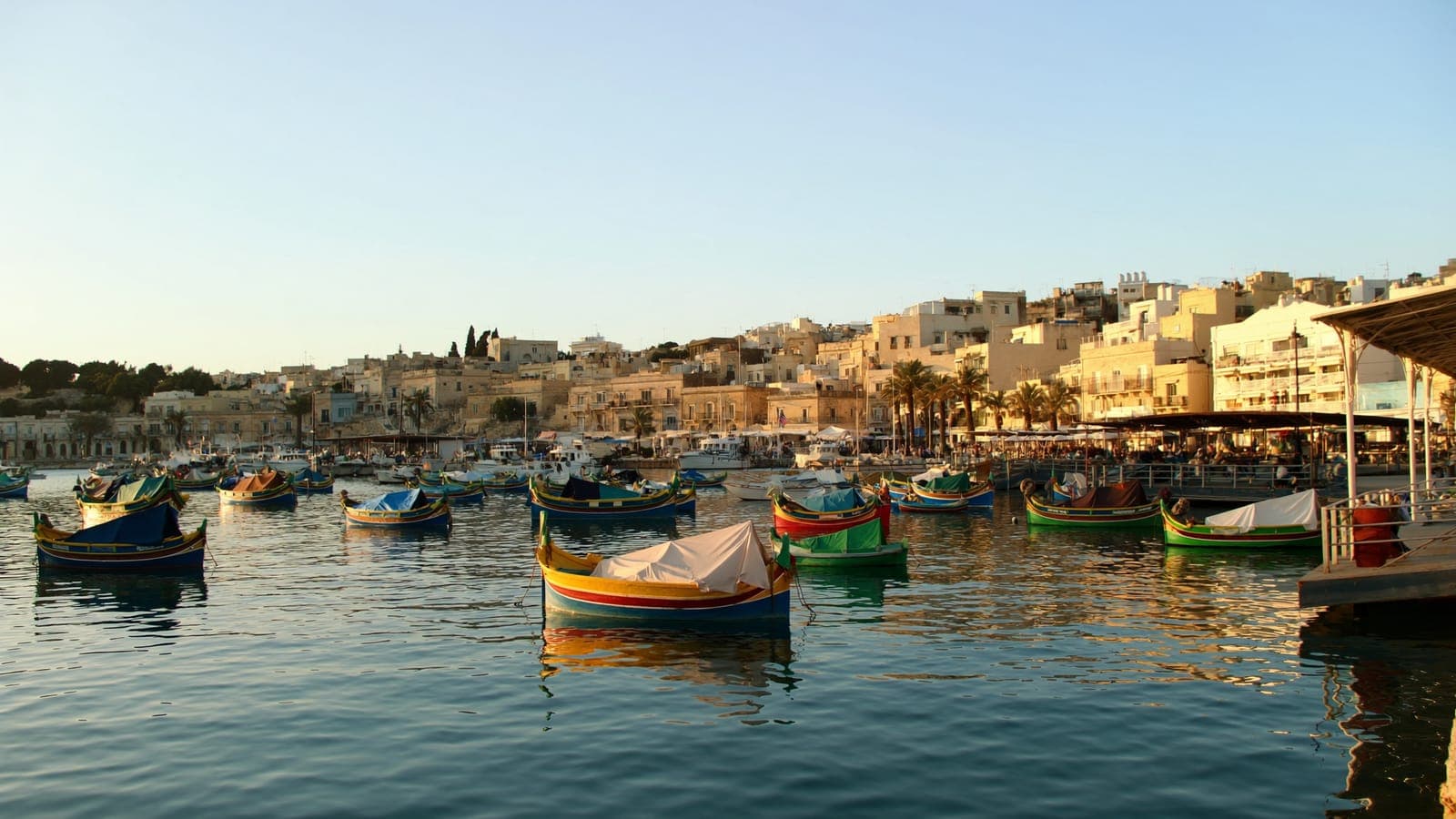
AI illustration · MaltaPathway
Malta and the Arab world — an overview
| Distance to Libya (Tripoli) | ~290 km (closest EU country to North Africa) |
| Distance to Tunisia | ~290 km |
| Distance to Morocco | ~1,800 km |
| Maltese language roots | Semitic (derived from Siculo-Arabic) |
| Religion (Malta) | Predominantly Roman Catholic |
| Main mosque | Mariam Al-Batool Mosque, Paola |
| Largest Arab communities | Libyan, Moroccan, Egyptian (approximate order by community size) |
| Arabic halal food availability | Good in Paola, Marsa, Birkirkara, and Msida areas |
Last verified: 2026-06-09. Community size data from NSO Malta and general knowledge.
Explore the full guide
Halal Food in Malta
Halal butchers, restaurants, and grocery shops across Malta.
Read guideMosques & Prayer Facilities
Malta's mosques, Islamic centres, and Friday prayer locations.
Read guideArabic Language & Schools
Arabic language classes, Islamic education, and schools for children.
Read guideMoroccan Workers in Malta
Community info, permit routes, and practical guidance for Moroccan nationals.
Read guideLibyan Community in Malta
Malta–Libya ties, the Libyan community, and residency guidance.
Read guideThe Maltese language and Arabic heritage
Malta was under Arab rule from 870 to 1091 CE, and the Maltese language that developed during and after this period is the strongest living linguistic legacy of that era. Maltese is classified as a Semitic language — the same family as Arabic, Hebrew, and Amharic — and retains a significant proportion of vocabulary with Arabic roots.
For Arabic speakers, this can create occasional moments of recognition: some everyday Maltese words for food, the body, family relationships, and daily objects have clear Arabic cognates. However, the languages are not mutually intelligible — Maltese grammar has been significantly influenced by Romance languages and English, and the spoken forms have diverged significantly over a thousand years.
This historical connection is often mentioned by Maltese people when welcoming Arabic-speaking visitors and residents, and can be a point of connection and warmth in everyday interactions.
Working in Malta as an Arab national
Moroccan, Libyan, Egyptian, and other Arab nationals working in Malta are subject to the same Single Permit process as other third-country nationals. Malta's immigration system does not distinguish between nationalities for employment permits — the process is the same regardless of country of origin.
The main permit route for non-EU nationals working in Malta is the Single Permit, which is a combined work and residence permit tied to a specific employer. See the Moroccan workers guide for community-specific context.
Get useful Malta updates
New Malta guides, practical visitor notes, and source-checked updates. No spam.
Unsubscribe anytime. We never share your email.
About this guide
Maintained by MaltaPathway
This guide is written from public sources and kept up to date where possible. MaltaPathway is an independent visitor guide and is not affiliated with any official body. Source policy, correction policy, and monetization disclosure live on the About and trust page.
Sources
Was this page helpful?
MaltaPathway is an independent guide and is not operated by or affiliated with the Government of Malta, VisitMalta, or any other public authority. Details such as opening hours, prices, and schedules can change — always check official or current sources before relying on time-sensitive information.