Arabic Community Malta
Libyan Community in Malta: Guide for Libyan Residents 2026
Malta and Libya have a unique relationship — the two countries are only 290 km apart, share maritime routes, and have a long history of trade and movement. The Libyan community is one of the most established Arab communities in Malta, with roots going back decades.
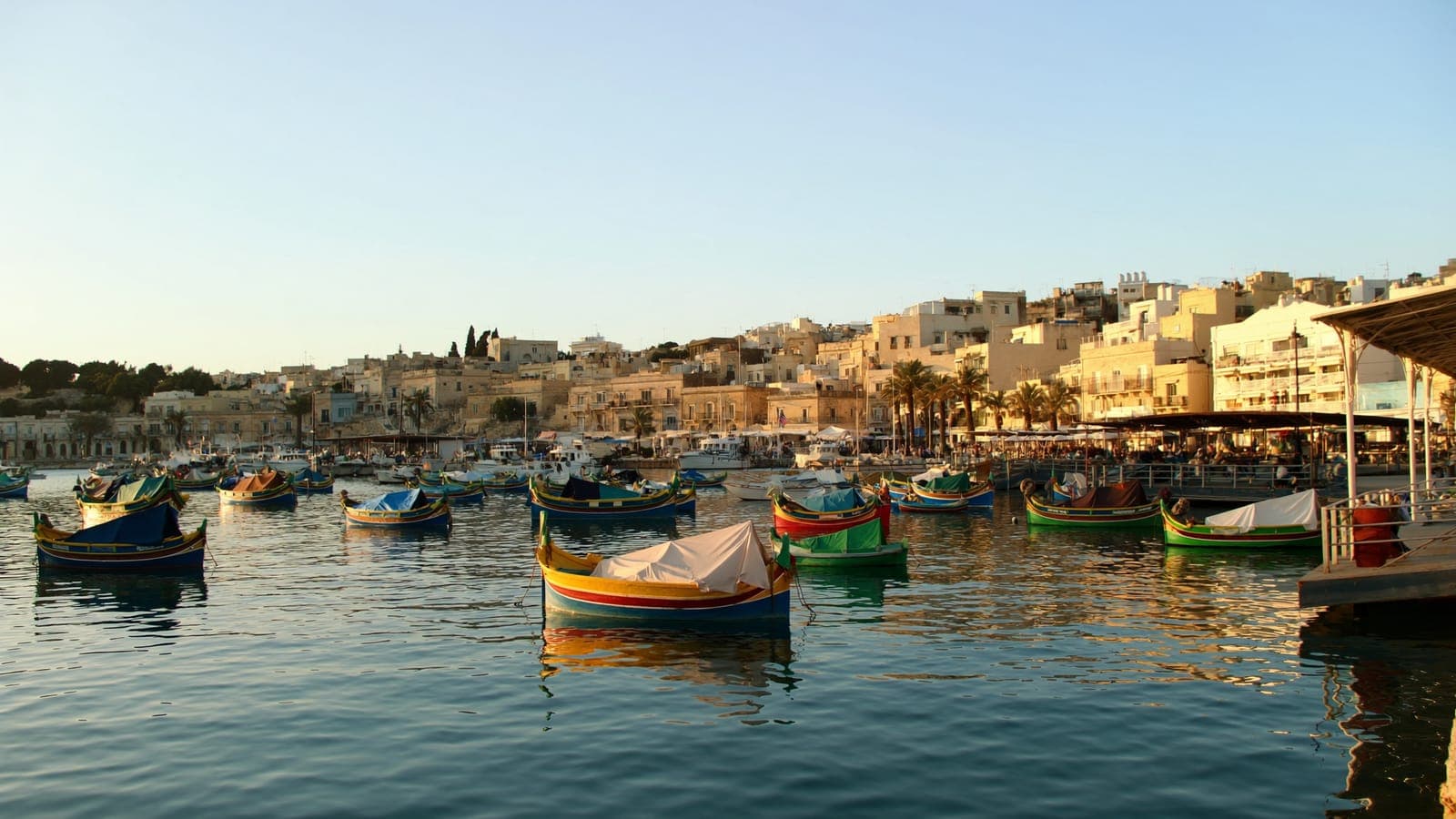
AI illustration · MaltaPathway
Situation-specific guidance may be needed
Malta–Libya ties: key facts
| Distance | ~290 km — Libya is visible from Malta on clear days |
| Flight time | ~1 hour (Tripoli to Malta) |
| Historical relationship | Trade, maritime connections, and movement of people for centuries |
| Libyan community in Malta | One of the most established Arab communities; significant presence since at least the 1970s |
| Diplomatic presence | Libya maintains a diplomatic mission in Valletta |
| Language overlap | Libyan Arabic (a Maghrebi dialect) shares some features with Moroccan Darija and shares Semitic roots with Maltese |
| Main community areas | Sliema, St Julian's, Valletta, and parts of southern Malta |
Last verified: 2026-06-09.
Residency options for Libyan nationals
Libyan nationals in Malta can hold various legal residency statuses, depending on their situation:
Long-term residents
Many Libyan nationals have lived in Malta for 5 or more years and are eligible for EU Long-Term Resident status. This provides a more stable legal basis for remaining in Malta and additional protections.
Workers
Libyan nationals working in Malta hold a Single Permit (combined work and residence permit), issued by Identità Malta and tied to a specific employer. The process is the same as for all non-EU nationals.
Students
Libyan students at Maltese institutions hold student visas or study permits. Malta has traditionally been a popular destination for Libyan university students, partly due to proximity and the availability of English-medium courses.
Family members
Family members of permit-holders can apply for dependent permits under the Family Reunification or Family Members Policy routes.
Community organisations and resources
The Libyan community in Malta has established community organisations and social networks. These include:
- Libyan cultural and community associations — organisations that support the Libyan community with integration, social events, and liaison with Maltese authorities
- Libyan Student Association — representing Libyan students studying in Malta
- Community Facebook groups— active groups connecting Libyan nationals in Malta (search "Libyans in Malta" or "Libyan community Malta")
- The main mosque in Paola — a significant community hub for the Libyan Muslim community
Healthcare in Malta for Libyan residents
Libya has historically sent patients to Malta for medical treatment, and Malta has developed healthcare services experienced in serving Arabic-speaking patients. Mater Dei Hospital (the main public hospital) and private hospitals in Malta have staff who can communicate in Arabic or arrange interpretation.
Libyan residents with legal work or residence permits have access to Malta's public healthcare system, including private health insurance options for those not yet covered.
Schools for Libyan children
Libyan children growing up in Malta typically attend Maltese state or private schools, where the language of instruction is English (and Maltese). Arabic language education is available through the mosque and community organisations. See the Arabic schools guide for details.
Get useful Malta updates
New Malta guides, practical visitor notes, and source-checked updates. No spam.
Unsubscribe anytime. We never share your email.
About this guide
Maintained by MaltaPathway
This guide is written from public sources and kept up to date where possible. MaltaPathway is an independent visitor guide and is not affiliated with any official body. Source policy, correction policy, and monetization disclosure live on the About and trust page.
Sources
Related guides
Was this page helpful?
MaltaPathway is an independent guide and is not operated by or affiliated with the Government of Malta, VisitMalta, or any other public authority. Details such as opening hours, prices, and schedules can change — always check official or current sources before relying on time-sensitive information.