Stay Longer
Maltese Citizenship Requirements
Citizenship is the question people ask once Malta starts feeling like home. This guide explains the ordinary naturalisation route, the exceptional merit route, and how to plan without confusing citizenship with long-term residence.
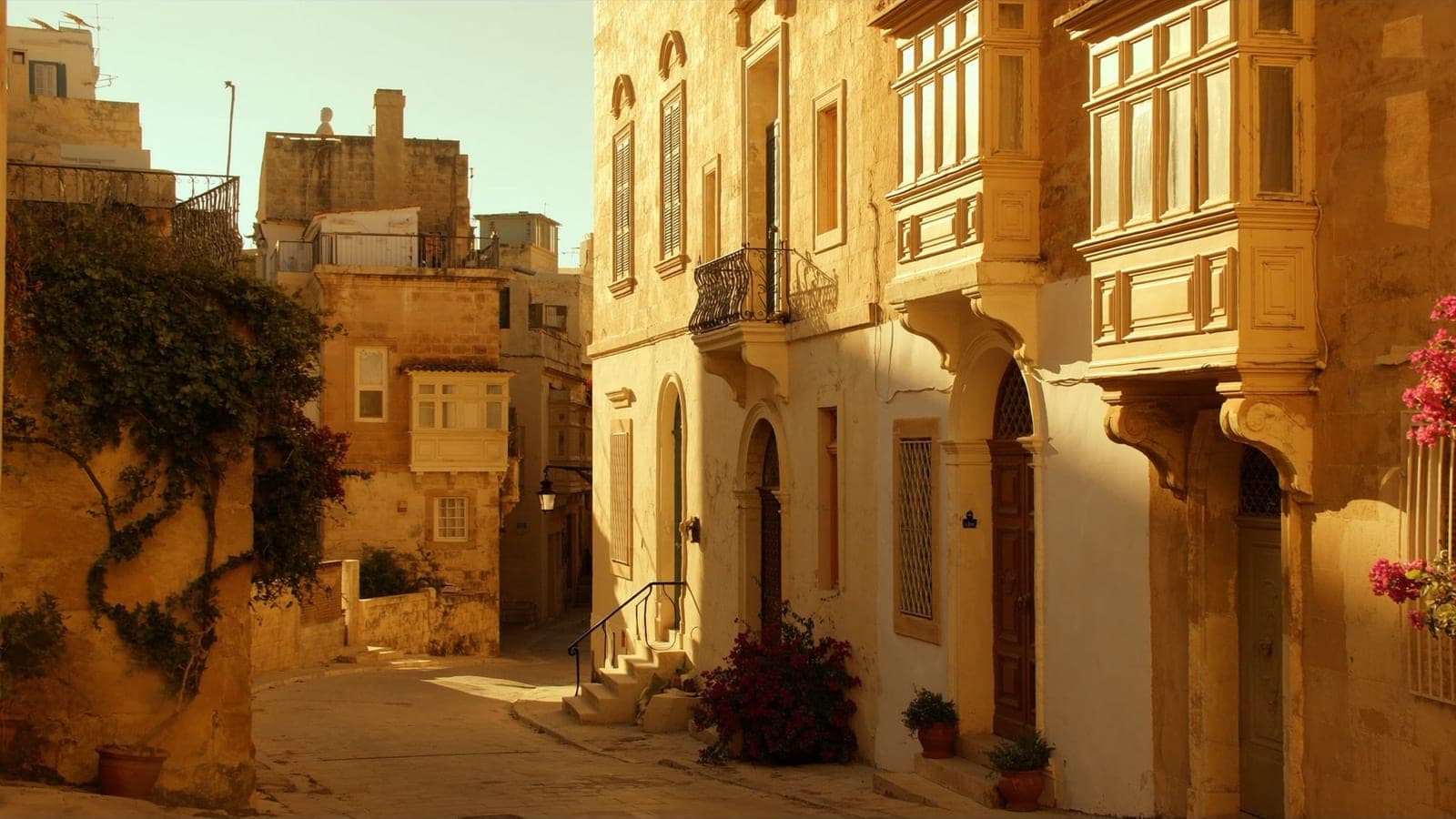
AI illustration · MaltaPathway
Citizenship is discretionary
Quick answer
The normal worker path is residence-based naturalisation, not a quick citizenship shortcut.
If you are a third-country national working in Malta, the realistic citizenship question is usually: can you build enough lawful residence, documents, language readiness, sponsors, and stability to apply later?
Who can apply for citizenship by naturalisation?
Community Malta Agency The ordinary residence-based route is for a foreigner or stateless person over 18 who satisfies the conditions in the Maltese Citizenship Act and the Agency process.
The public checklist includes residence, good character, adequate knowledge of Maltese or English, and suitability as a citizen. It is not a points calculator and it is not automatic.
Core residence and readiness checklist
- You are over 18.
- You have lived in Malta throughout the 12 months immediately before applying.
- You can show at least 4 years of residence in Malta during the 6 years before that final 12-month period.
- You can show good character and suitability.
- You have adequate knowledge of Maltese or English.
- You can prepare the residence certificate appointment, passports, sponsors, documents, forms, oath, and fees.
What happens before the application?
Before submitting the citizenship application, the official process starts with an appointment so the Agency can compile a residence certificate. You should expect to show your current passport and expired passports covering your period of residence in Malta.
Once the Agency assesses that residence certificate and confirms that you may proceed, further application documents are requested.
Sponsors, oath, and fees
The naturalisation application uses two sponsors who are not relatives. The first sponsor must come from an eligible professional or public role listed by the Agency. The second sponsor can be a Maltese citizen over 18, as long as they did not acquire Maltese citizenship by naturalisation.
The published naturalisation fee is EUR 450 to submit the application, plus EUR 50 if the application is accepted and the certificate is collected. Extra oath, affidavit, declaration, or re-naturalisation fees can apply.
Citizenship by merit is a different route
Community Malta Agency Malta also has citizenship by naturalisation on the basis of merit. That is for exceptional service, exceptional contribution, or exceptional interest to Malta or humanity in areas such as science, technology, sport, entrepreneurship, culture, arts, or philanthropy.
This is not the ordinary worker route. It starts with a detailed proposal letter, due diligence, an independent specialised board, and a final ministerial decision.
Dual citizenship may be allowed, but check your other country
Where long-term residence fits
Long-term residence is usually the nearer planning milestone for workers building a stable life in Malta. Citizenship is a separate, later, discretionary step.
Track your path to citizenship
Use MaltaPathway to keep permit renewals, I Belong milestones, documents, and residence dates organised before you apply.
About this guide
Maintained by MaltaPathway
This guide is written from public sources and kept up to date where possible. MaltaPathway is an independent visitor guide and is not affiliated with any official body. Source policy, correction policy, and monetization disclosure live on the About and trust page.
Sources
Related guides
Was this page helpful?
MaltaPathway is an independent guide and is not operated by or affiliated with the Government of Malta, VisitMalta, or any other public authority. Details such as opening hours, prices, and schedules can change — always check official or current sources before relying on time-sensitive information.