Moving to Malta
Driving Licence in Malta: Exchange and Rules for Expats 2026
EU licence holders can drive freely in Malta. Non-EU licence holders must exchange their licence within 12 months of establishing residence. This guide covers the process, documents, fees, and driving rules.
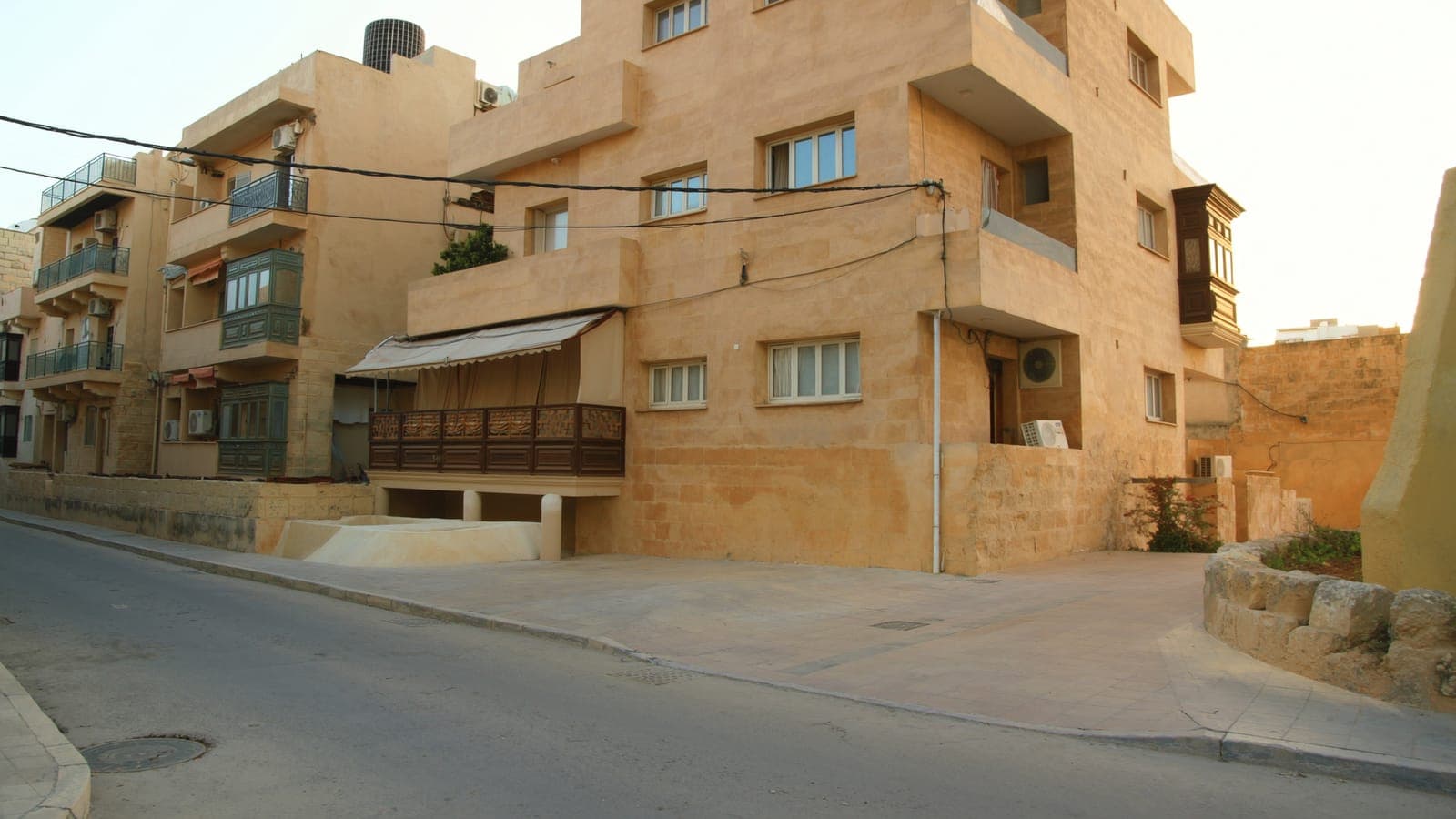
AI illustration · MaltaPathway
Who can drive freely on a foreign licence?
| Licence type | Rules in Malta |
|---|---|
| EU/EEA licence | Valid in Malta indefinitely — no exchange required (but can exchange if preferred) |
| UK licence (post-Brexit) | Valid for 12 months after establishing residence — then must exchange |
| Non-EU licence from recognised equivalent country | Valid for 12 months — then exchange required |
| Non-EU licence from non-recognised country | Valid for 12 months — then test required for Maltese licence |
Transport MaltaLast verified: 2026-06-09. Verify the current list of recognised countries at transport.gov.mt.
Documents needed for licence exchange
- Completed Transport Malta application form
- Valid foreign driving licence (original — it will be surrendered)
- Valid passport or identity card
- Maltese residence permit
- Proof of Maltese address (registered lease or utility bill)
- Passport-sized photo
- Medical certificate (if required for certain licence categories)
- Application fee (approx. €23)
Malta driving rules for new arrivals
- Drive on the left. This is the most important adjustment for arrivals from right-side-drive countries.
- Seat belts: Mandatory for all occupants.
- Speed limits: 50 km/h in urban areas, 80 km/h on regional roads, 90 km/h on expressways. Speed limits are enforced with cameras.
- Mobile phone use: Handheld use while driving is illegal.
- Blood alcohol limit: 80 mg/100ml (same as UK). Lower limit applies to new drivers in the first two years.
- Parking: Very limited in Sliema, St Julians, and Valletta. Pay-and-display zones are widespread. Illegal parking is common but fines and clamps do happen.
- Road condition: Maltese roads range from decent main roads to very narrow village streets. Potholes are common. GPS navigation is strongly recommended — road numbering is inconsistent.
Roundabouts in Malta
Getting a new Maltese licence from scratch
If your home country is not on the Transport Malta equivalent list and your licence has expired, or if you have never had a licence, you will need to go through the Maltese full licence process:
- Obtain a learning licence from Transport Malta.
- Complete the mandatory theory test.
- Complete driving lessons with a licensed Malta driving school.
- Pass the practical driving test.
Driving schools in Malta operate in English. Theory test preparation materials are available in English. Expect the full process to take 3–6 months from scratch.
Get useful Malta updates
New Malta guides, practical visitor notes, and source-checked updates. No spam.
Unsubscribe anytime. We never share your email.
About this guide
Maintained by MaltaPathway
This guide is written from public sources and kept up to date where possible. MaltaPathway is an independent visitor guide and is not affiliated with any official body. Source policy, correction policy, and monetization disclosure live on the About and trust page.
Sources
Related guides
Was this page helpful?
MaltaPathway is an independent guide and is not operated by or affiliated with the Government of Malta, VisitMalta, or any other public authority. Details such as opening hours, prices, and schedules can change — always check official or current sources before relying on time-sensitive information.